






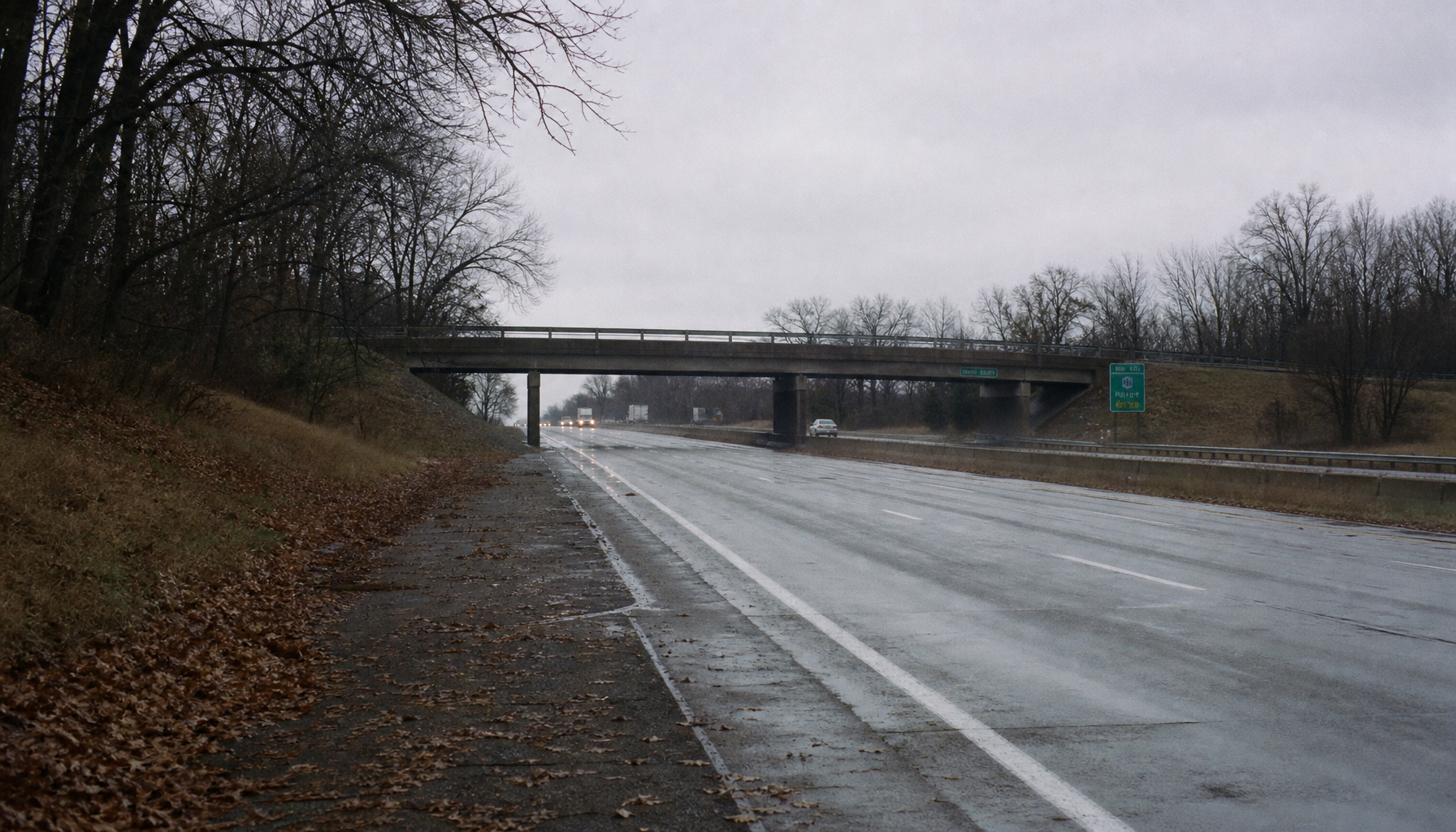
The number is real, and it matters: Michigan saw roughly 3% fewer traffic fatalities in 2025 compared to the year before. According to WHMI Local News, the Michigan State Police confirmed the drop in a report covering the full year. That’s worth pausing on. Fewer families are making the calls no one wants to make. Fewer kids are losing parents.
But here’s the part that doesn’t make the headline: hundreds of people still died on Michigan roads in 2025. Thousands more were seriously injured. A 3% improvement in a statistic doesn’t tell you much if you’re the one sitting in an ER at 2 a.m. wondering how you’re going to pay your bills next month.
So what does the data actually show — and what does it mean for you if you’ve been in a crash?
What the MSP Data Shows — and What It Doesn’t
The Michigan State Police tracks fatality data through its annual traffic crash reports, which draw from police reports filed across all 83 counties. The MSP Office of Highway Safety Planning publishes this data and uses it to allocate safety funding and enforcement resources statewide.
A 3% drop is consistent with improvements in vehicle safety technology — automatic emergency braking, lane-departure warnings, and improved airbag systems have all contributed to survivability in crashes that, fifteen years ago, would have been fatal. The drop may also reflect increased seat belt compliance and some reduction in impaired driving.
What the statistic doesn’t capture:
- Crashes that left people with permanent spinal cord injuries, traumatic brain injuries, or amputations
- Pedestrian and cyclist incidents, which have trended upward nationally in recent years according to NHTSA data
- Commercial truck crashes on corridors like I-75, I-94, and US-131
- Crashes caused by distracted driving, which remains difficult to measure accurately
In short, fewer deaths is genuinely good news. But Michigan roads have not become safe. They’ve become slightly less dangerous for some drivers.
Where the Risks Are Still High
High-Crash Corridors Haven’t Changed
The same highways that generated serious crashes last year are generating them this year. We’ve seen it across the I-75 and I-94 interchange, along M-59 through Oakland and Livingston counties, and on rural two-lane roads where emergency response times are long. A lower statewide fatality count doesn’t change what’s happening on your stretch of road.
Commercial Truck Crashes Remain a Serious Problem
Michigan’s role as a logistics hub means heavy trucks are on our freeways around the clock. When a commercial carrier is involved in a crash, federal law applies — including 49 CFR Part 395, which governs how many hours a driver can be behind the wheel before mandatory rest. Violations of those rules are common and often go unnoticed until someone digs into the driver’s logs. If you’ve been hit by a commercial truck, the legal process is meaningfully different from a standard two-car crash.
Winter Conditions Still Kill People Every Year
November through March in Michigan is its own category of danger. Black ice crashes happen fast, and fault questions get complicated when road conditions are involved. A lower 2025 fatality number doesn’t mean the Gaylord-to-Flint stretch of I-75 in January is anything less than treacherous.
Impaired Driving Hasn’t Gone Away
Under MCL 257.625, operating a vehicle while intoxicated carries criminal penalties — but criminal charges don’t automatically pay your medical bills or replace your income. Civil liability is a separate track, and it’s where crash victims actually recover compensation.
If You Were Injured in 2025 — What the Statistics Mean for Your Case
None of the statewide numbers change your individual rights. Here’s what actually matters if you were hurt:
- Your PIP benefits apply regardless of fault. Under MCL 500.3107, your own auto insurance must cover medical expenses and a portion of lost wages through your Personal Injury Protection coverage. This applies even if you caused the crash.
- You can pursue non-economic damages if your injury meets the threshold. MCL 500.3135 allows you to sue the at-fault driver for pain and suffering if your injury is considered serious — think permanent impairment, serious disfigurement, or death. A doctor’s evaluation and legal analysis determine whether you clear that bar.
- You have three years. MCL 600.5805(2) gives you three years from the date of the crash to file a personal injury lawsuit. That sounds like a long time. It isn’t, once you factor in medical records collection, insurance negotiations, and witness availability. Cases can take longer than people expect, and starting early protects your options.
- The insurance company’s timeline is not your timeline. If an adjuster is calling you within days of a crash, they’re working on their schedule, not yours. Stalling and lowball offers are common. Don’t sign a release without talking to an attorney.
- Document everything now. Photos, medical records, pay stubs if you missed work, and any communications with the other driver’s insurer. Evidence gets lost fast.
What Should Change — and What You Can Push For
The 3% drop reflects incremental progress. What Michigan still needs:
- Consistent enforcement on distracted driving, which remains a primary cause of crashes statewide
- Better road maintenance on high-incident corridors — because defective or dangerous road conditions can create liability beyond just the other driver
- Funding for rural EMS response, where survival rates after serious crashes lag significantly behind urban areas
Advocating for these changes matters. But so does knowing your rights if the system fails you on a given Tuesday morning.
Frequently Asked Questions
Does the MSP fatality report affect how my accident claim is handled?
Not directly. Statewide statistics don’t change your individual case. What matters is the specific facts of your crash — who was at fault, what your injuries are, what your insurance coverage looks like, and whether any traffic laws were violated. The MSP data is useful background, but your case lives in its own set of facts.
My injury wasn’t life-threatening. Can I still recover compensation?
Yes. Michigan’s no-fault system covers medical expenses and lost wages through PIP regardless of how serious your injury is. The threshold in MCL 500.3135 only applies if you want to pursue non-economic damages — pain and suffering — against the at-fault driver. Many cases involve significant PIP claims without crossing into that territory.
The other driver’s insurance says I was partially at fault. Does that end my claim?
No. Michigan follows a modified comparative fault rule. You can recover damages as long as you’re not more than 50% at fault. If the other side is blaming you to reduce their exposure, that’s a negotiating tactic as much as a legal argument. An attorney can push back with evidence.
What if the crash was on a road that’s poorly maintained — can the government be liable?
Sometimes, yes. Michigan does allow claims against road authorities under certain conditions, but the notice requirements and immunity rules are strict and the deadlines are short — sometimes as little as 120 days. If road conditions played a role in your crash, talk to an attorney immediately.
I’m self-employed. Can I claim lost wages after a crash?
Yes, though the documentation requirements are different. You’ll need to show proof of income through tax returns, invoices, or business records. Self-employed wage loss claims under Michigan no-fault are handled, but they require careful documentation from the start.
How much does it cost to hire a Michigan car accident attorney?
Most personal injury attorneys, including at Khamo Law, PLLC, work on a contingency fee. That means you pay nothing unless there’s a recovery. The percentage varies, but it’s agreed on before representation begins. You can read more about what a Michigan car accident lawyer costs before you make any decisions.
If you were hurt in a Michigan crash in 2025 — regardless of what the statewide numbers say — talk to us before you sign anything. Khamo Law, PLLC offers a free consultation. Call 248-988-9618 or reach out through our contact form. We serve clients across Michigan, from Detroit and the metro suburbs to rural counties. مكتب خامو للقانون يتحدث العربية والكلدانية ومستعد لمساعدتك.