
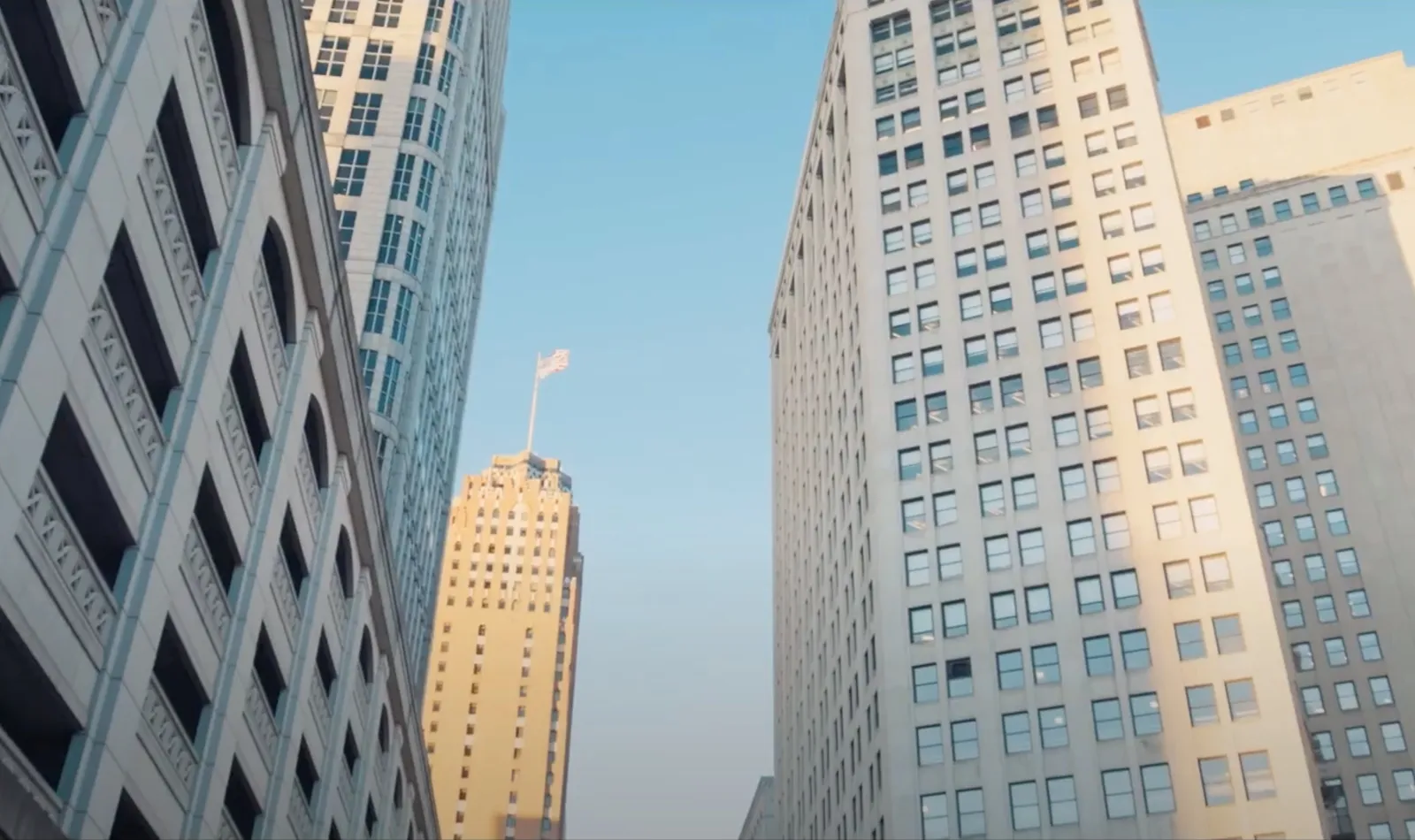





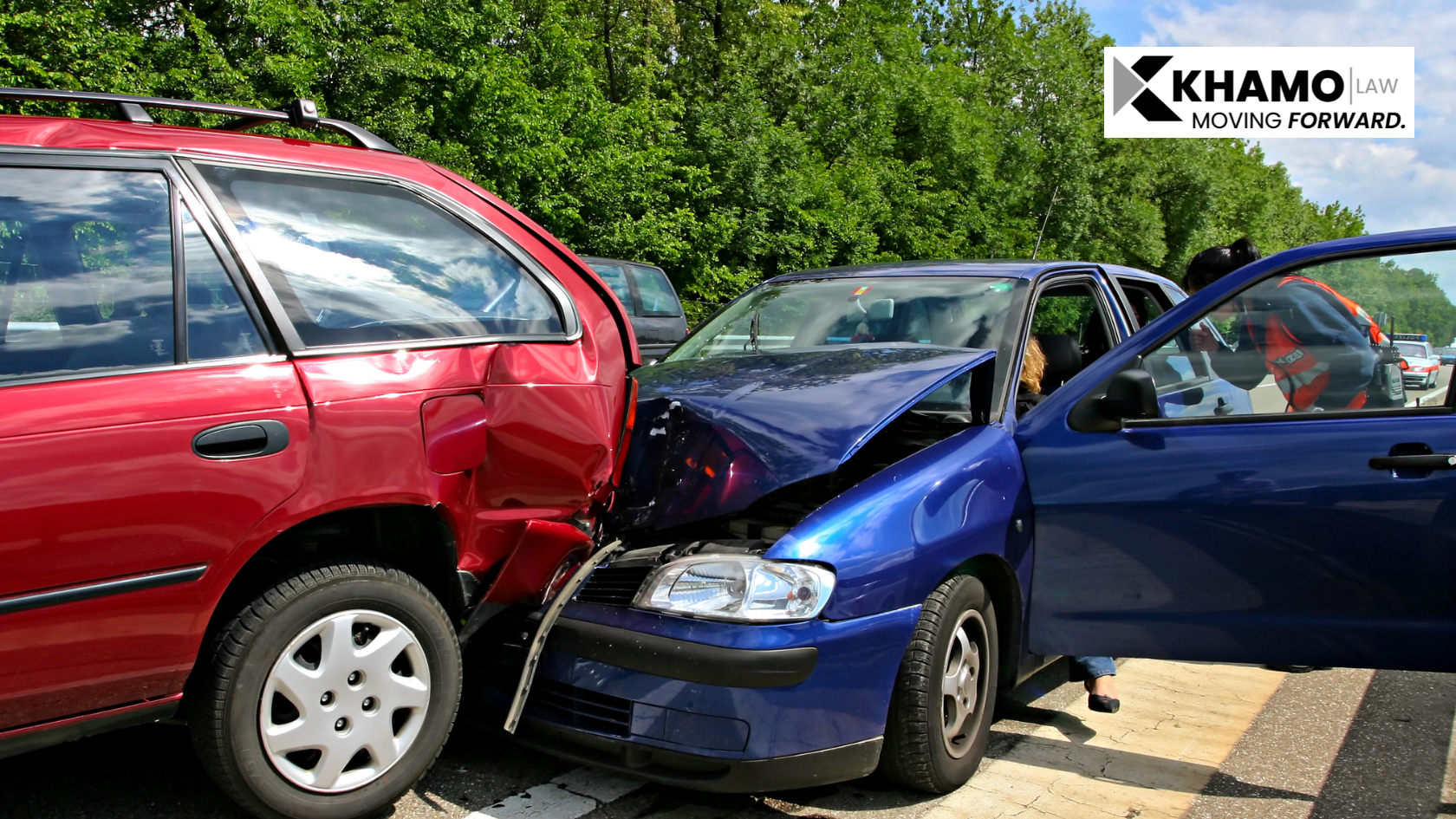
Big Beaver Road and I-75 form one of Troy’s most important traffic corridors. Drivers moving between the freeway, offices, restaurants, hotels, shopping destinations, and surrounding neighborhoods encounter a mix of high-speed freeway traffic, busy intersections, turning vehicles, merging traffic, and entrances to commercial properties.
When a crash occurs in this area, the location can affect much more than traffic congestion. It can influence how the collision happened, what evidence may exist, which police agency investigates, and whether nearby cameras or witnesses can help establish fault.
If you were injured in a collision in this area, Khamo Law’s Troy car accident lawyers can investigate the crash, identify available insurance coverage, preserve evidence, and evaluate your rights under Michigan law.
Why Big Beaver Road and I-75 Car Accidents Can Be Complicated
A collision on Big Beaver Road can look very different from a crash occurring on I-75 only minutes away.
Big Beaver Road involves intersections, traffic signals, turning movements, commercial driveways, pedestrians, and vehicles frequently entering or leaving businesses.
I-75 introduces freeway-speed traffic, entrance and exit ramps, merging vehicles, commercial trucks, lane changes, work zones, and the potential for multi-vehicle collisions.
Those differences can affect the evidence needed to determine what happened.
Big Beaver Road Car Accidents
Big Beaver Road runs east-west through Troy and intersects with several heavily traveled north-south roads.
Crashes along the corridor may involve:
- Rear-end collisions
- Left-turn crashes
- Failure-to-yield accidents
- Red-light disputes
- Unsafe lane changes
- Distracted driving
- Vehicles entering or exiting commercial properties
- Pedestrian or bicycle conflicts
- Multi-vehicle crashes
Intersection collisions can become particularly disputed when drivers give different accounts of the traffic signal or who had the right of way.
Evidence such as photographs, witness statements, surveillance footage, vehicle damage, police documentation, and traffic-control information may help reconstruct what occurred.
I-75 Car Accidents in Troy
I-75 passes directly through Troy and carries local commuters, interstate traffic, and commercial vehicles.
Freeway crashes can involve:
- High vehicle speeds
- Sudden braking
- Merging traffic
- Unsafe lane changes
- Following-distance disputes
- Commercial trucks
- Multiple impacts
- Work zones
- Road debris
- Chain-reaction collisions
Because several vehicles may be involved, determining how an I-75 crash began can sometimes require more than simply looking at the final positions of the vehicles.
Photographs, dashcam footage, witness statements, vehicle damage, electronic information, and other evidence may help establish the sequence of impacts.
Why the Big Beaver and I-75 Interchange Matters
The area where Big Beaver Road connects with I-75 combines freeway ramps with a busy commercial corridor.
Drivers may be:
- Entering or exiting the freeway
- Changing lanes to reach an entrance or intersection
- Braking because traffic has backed up
- Navigating unfamiliar roads
- Moving between freeway and surface-street speeds
- Turning into nearby businesses
- Responding to congestion around major intersections
These different traffic movements can create complicated liability questions after a collision.
Instead of assuming one driver was automatically responsible based only on the type of crash, the available evidence should be examined.
What Evidence Should You Preserve After a Crash in This Area?
Evidence can disappear quickly after a collision.
When circumstances allow, useful evidence may include:
- Photographs of all involved vehicles
- Photographs of the crash location
- Vehicle damage
- Debris
- Skid or tire marks
- Traffic signals and signs
- Witness names and contact information
- Police or crash reports
- Dashcam footage
- Nearby surveillance footage
- Medical documentation
- Insurance information
- Records of missed work
The exact location of the crash should also be documented as accurately as possible.
Knowing whether the collision happened on Big Beaver itself, at an intersection, on an I-75 ramp, or on the freeway can help identify potential witnesses, cameras, traffic-control information, and other evidence.
Can Nearby Businesses Have Video of a Big Beaver Road Crash?
Potentially.
Big Beaver Road runs through one of Troy’s major commercial areas. Stores, restaurants, hotels, office buildings, parking structures, gas stations, and other properties may operate private surveillance cameras.
A camera does not necessarily need to point directly at the crash to be useful. Video might capture:
- A vehicle immediately before the collision
- Traffic-signal conditions
- The direction a vehicle traveled
- A vehicle leaving the scene
- The movement of surrounding traffic
- Witnesses who were present
There is no guarantee that a particular business has useful footage or that recordings will be retained indefinitely.
Identifying potential sources promptly can therefore matter.
What About Dashcam Footage?
Dashcams can provide a direct record of events before, during, and after a collision.
If your vehicle recorded the crash, preserve the original file and avoid editing it.
Also consider whether another driver or witness may have captured the collision.
Our guide to preserving dashcam footage after a Michigan car accident explains how video evidence may help and why the original recording should be protected.
What Should You Do After a Big Beaver or I-75 Car Accident?
Your immediate health and safety come first.
When circumstances allow:
- Move away from immediate danger. Avoid standing in active freeway lanes or other unsafe locations.
- Call for emergency assistance when necessary. Report the crash and request medical help if anyone is injured.
- Seek appropriate medical care. Some injuries may not be fully apparent immediately after a collision.
- Photograph the vehicles and scene. If it can be done safely, document damage, roadway conditions, traffic controls, debris, and the surrounding area.
- Identify witnesses. Obtain contact information from people who saw the collision.
- Look for cameras. Note nearby businesses, buildings, dashcams, or other potential sources of video.
- Preserve insurance and medical documents. Keep correspondence, bills, treatment records, and claim information.
- Document missed work. Maintain records showing time missed and other employment effects related to the injuries.
What If the Other Driver Leaves the Scene?
A hit-and-run near Big Beaver Road or I-75 can create an immediate evidence problem because identifying the fleeing vehicle may become critical.
Try to remember and document:
- Vehicle make and model
- Color
- Full or partial license plate
- Direction of travel
- Visible vehicle damage
- Distinctive markings
- Driver description, if visible
Witnesses, dashcams, and nearby surveillance footage may also help identify the vehicle.
For more detailed information, see our guide explaining what to do after a hit-and-run accident in Troy, Michigan.
What If a Commercial Truck Is Involved?
I-75 carries significant commercial traffic, and crashes involving large trucks can raise additional evidence and liability questions.
Depending on the circumstances, relevant evidence may include:
- Driver records
- Electronic vehicle information
- Maintenance records
- Company policies
- Cargo information
- Dashcam or other video
- Witness accounts
- Accident reconstruction evidence
Commercial-vehicle cases can also involve parties beyond the individual driver.
Our Troy truck accident lawyers handle crashes involving commercial trucks and other large vehicles in Troy.
Who Pays Medical Bills After a Troy Car Accident?
Michigan’s No-Fault system can provide Personal Injury Protection benefits after qualifying motor-vehicle accidents.
Depending on the applicable insurance policy, statutory rules, and coverage selected, PIP benefits may include qualifying medical expenses, work-loss benefits, replacement services, and other allowable benefits.
The insurance company responsible for paying PIP benefits depends on Michigan’s statutory priority rules and the circumstances of the injured person.
For a detailed explanation, see our Michigan No-Fault insurance lawyer resource.
Can You Recover Pain and Suffering After a Troy Car Accident?
Michigan treats No-Fault PIP benefits separately from claims for noneconomic damages such as pain and suffering.
Under Michigan’s motor-vehicle liability law, qualifying claims for noneconomic damages can involve death, permanent serious disfigurement, or serious impairment of body function.
Whether an injury satisfies the statutory requirements depends on the facts, medical evidence, and effect of the impairment on the person’s life.
Our main Troy car accident lawyer resource explains Michigan liability, damages, insurance issues, and serious-injury claims in greater detail.
What If the Insurance Company Says You Caused the Crash?
Fault disputes are common after intersection and freeway collisions.
An insurer might claim that a driver:
- Followed too closely
- Changed lanes improperly
- Failed to yield
- Entered an intersection against a traffic signal
- Was speeding
- Was distracted
- Failed to react appropriately
Michigan’s comparative-fault rules can affect certain categories of damages.
An insurer’s initial determination of fault is not necessarily the final word. Photographs, video, witnesses, vehicle damage, traffic-control information, and other evidence may provide a different account of what happened.
How Long Can a Troy Car Accident Claim Take?
There is no standard timeline.
A claim involving relatively straightforward injuries and undisputed liability may progress differently from a case involving surgery, disputed fault, multiple vehicles, significant future medical needs, or litigation.
The medical recovery process can also matter because the long-term effect of an injury may not be known immediately.
For a broader explanation, read our guide to how long a Michigan car accident settlement can take.
Why Local Evidence Matters After a Troy Crash
A locally focused investigation is not valuable simply because an attorney recognizes the name of the road.
What matters is understanding where evidence may come from.
For a Troy crash, that can include:
- Nearby businesses
- Commercial surveillance systems
- Intersection configuration
- Freeway entrance and exit ramps
- Traffic-control devices
- Roadway construction
- Witness locations
- Police documentation
- Available crash data
SEMCOG provides Southeast Michigan crash-data tools that allow crashes to be examined by community, roadway, intersection, severity, crash type, and other factors.
These resources can provide useful context, although the facts of an individual collision must still be established through case-specific evidence.
Collisions on Big Beaver Road and I-75 are part of the broader range of injury cases that arise throughout Troy. Khamo Law also represents people injured in truck crashes, motorcycle accidents, pedestrian and bicycle collisions, dangerous-property incidents, and other negligence cases. Our Troy personal injury lawyers explain those claims and the Michigan laws that may affect recovery.
Frequently Asked Questions About Big Beaver Road and I-75 Car Accidents
What should I do if my car is disabled on I-75 after a crash?
Prioritize safety. If possible, move away from active traffic and follow instructions from emergency responders. Freeway traffic can create additional danger after the initial collision.
Does a Big Beaver Road crash automatically fall under Troy Police?
Not necessarily. The investigating agency depends on the exact crash location and circumstances. Preserve whatever police or crash-report information you receive at the scene.
Can a nearby business give me surveillance footage?
Possibly. Whether footage exists, whether it captured the relevant area, and whether the business will release it voluntarily vary. Identifying the business and requesting preservation promptly can be important.
What if the other driver says the traffic light was green?
Signal disputes often require additional evidence. Witnesses, surveillance footage, vehicle positions, damage patterns, photographs, and other information may help determine what occurred.
What if my crash happened while entering or exiting I-75?
Ramp-area crashes can involve merging, lane changes, congestion, speed differences, and multiple vehicles. Document the precise location and preserve available evidence.
Can I have a claim if I was partly at fault?
Potentially. Michigan’s comparative-fault rules are fact-specific and may affect different categories of damages differently.
Should I accept the insurance company’s first settlement offer?
Before resolving an injury claim, it is important to understand the extent of the injuries, available insurance coverage, potential future medical needs, lost income, and the legal effect of signing a release.
Talk With a Troy Car Accident Lawyer
A collision on Big Beaver Road or I-75 can involve evidence and insurance issues that extend well beyond the initial police report.
Khamo Law Accident & Injury Lawyers maintains an office at 1120 E. Long Lake Road, Suite 250, Troy, MI 48085. Our attorneys bring more than 40 years of combined legal experience to personal injury matters and have recovered more than $40 million for clients.
If you were injured in a collision on Big Beaver Road, I-75, or elsewhere in Troy, contact Khamo Law for a free consultation.
Call 248-466-0606 or learn more about how our Troy car accident lawyers can help.