
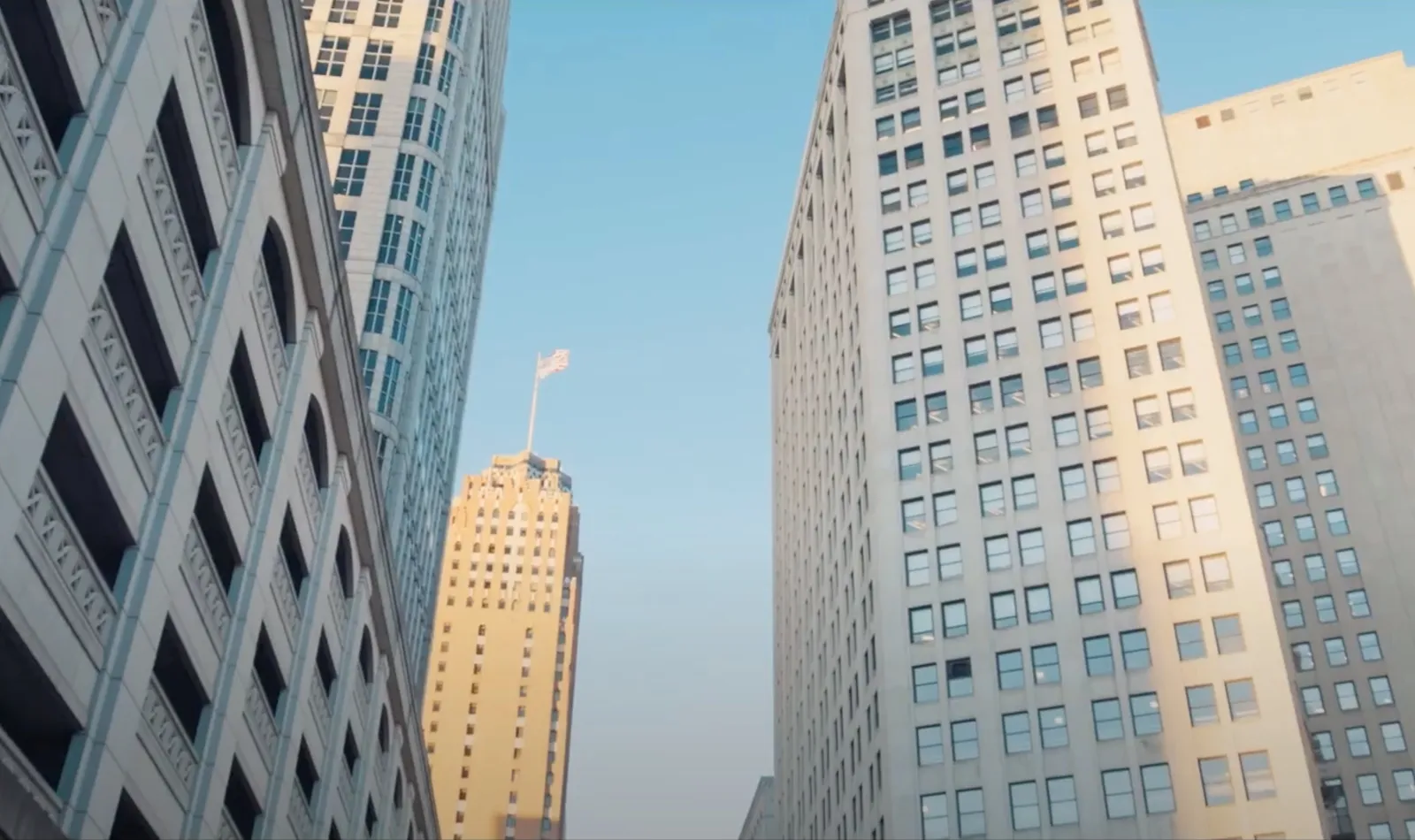





A Southfield premises liability lawyer at Khamo Law can investigate injuries caused by dangerous conditions on another person’s or business’s property. These cases may involve stores, restaurants, apartment communities, office buildings, parking lots, sidewalks, hotels, medical facilities, private residences, and other properties throughout Southfield.
A premises liability claim may require evidence showing what dangerous condition existed, who possessed or controlled the property, whether the responsible party knew or should have known about the condition, whether reasonable precautions were taken, and how the condition caused the injuries being claimed.
Khamo Law represents people injured throughout Southfield, Oakland County, Metro Detroit, and Michigan.
For broader injury representation in the city, visit our Southfield Personal Injury Attorney page.
For statewide information about dangerous-property claims and Michigan premises liability law, visit our Michigan Premises Liability Laws resource.
Call 248-466-0606 or contact Khamo Law online for a free consultation.
Legally reviewed by Koro E. Khamo, Founder & Managing Attorney at Khamo Law.
Premises Liability Accidents in Southfield, Michigan
Southfield has a large and diverse property landscape.
The city contains substantial office, retail, commercial, residential, hotel, medical, restaurant, industrial, and mixed-use development. Southfield City Centre alone includes a combination of office, retail, dining, and residential uses near Evergreen Road, I-696, and M-10.
Premises liability incidents may occur at:
- Grocery stores
- Retail stores
- Shopping centers
- Restaurants
- Hotels
- Apartment complexes
- Office buildings
- Medical facilities
- Parking lots
- Parking structures
- Sidewalks
- Building entrances
- Private residences
- Entertainment properties
- Other commercial or residential properties
The type of property and the reason a person was there can affect the legal duties that apply.
How Can a Southfield Premises Liability Lawyer Help?
Dangerous-property cases often depend on evidence that can disappear quickly.
Khamo Law can help by:
- Investigating the accident location
- Photographing the dangerous condition
- Identifying who owned, possessed, managed, or controlled the property
- Seeking surveillance footage
- Obtaining incident reports
- Interviewing witnesses
- Reviewing maintenance records when available
- Reviewing inspection and cleaning records
- Investigating prior complaints when relevant
- Reviewing snow and ice removal records
- Reviewing leases and property-management responsibilities when necessary
- Identifying maintenance or snow-removal contractors
- Gathering medical records
- Documenting lost income
- Evaluating future medical needs
- Addressing comparative-fault allegations
- Communicating with insurers
- Filing a lawsuit when appropriate
A spill may be cleaned immediately. Ice can melt. Broken pavement can be repaired. Surveillance footage may be overwritten.
Preserving evidence early can therefore become an important part of a premises liability claim.
Common Southfield Premises Liability Claims
Premises liability includes more than ordinary slip and fall cases.
Potential claims may involve:
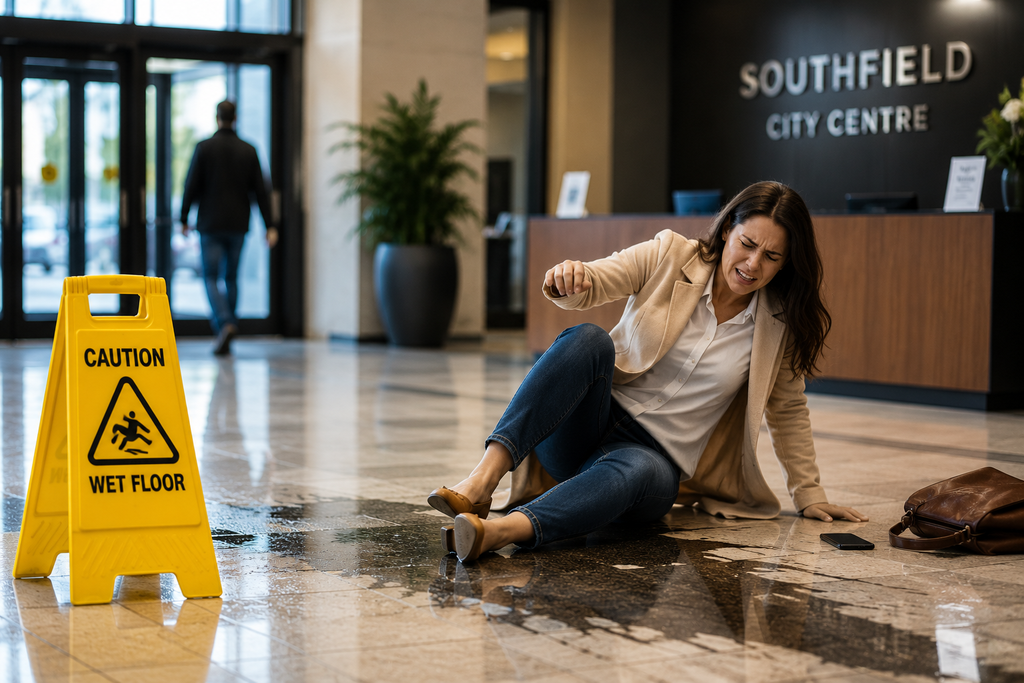
- Wet or slippery floors
- Snow and ice
- Uneven pavement
- Broken sidewalks
- Dangerous stairs
- Missing or defective handrails
- Poor lighting
- Falling merchandise
- Unsafe entrances
- Parking-lot hazards
- Building defects
- Negligent maintenance
- Unsafe common areas
- Certain inadequate-security circumstances
- Other dangerous property conditions
The legal analysis depends on the actual condition, property, visitor status, notice, control, and surrounding facts.
Slip and Fall Accidents
Slip and fall claims are one of the most common types of premises liability cases.
Potential hazards include:
- Spilled liquids
- Recently mopped floors
- Tracked-in water
- Snow
- Ice
- Uneven flooring
- Torn carpeting
- Loose mats
- Broken pavement
- Poorly maintained stairs
- Inadequate lighting
For fall-specific information, visit our Southfield Slip and Fall Lawyer page.
Snow and Ice Accidents
Michigan winters create recurring issues involving snow and ice on:
- Sidewalks
- Parking lots
- Walkways
- Building entrances
- Steps
- Apartment common areas
- Commercial properties
A snow-and-ice case may require investigation of:
- Weather conditions
- When precipitation occurred
- How long the condition existed
- Snow-removal efforts
- Salting or treatment
- Drainage
- Refreezing
- Maintenance responsibility
- Warning signs
Under current Michigan law, the fact that snow or ice may have been visible does not automatically eliminate every premises liability claim.
The entire situation still needs to be evaluated.
Parking Lot Injuries
Southfield has extensive office, retail, hotel, restaurant, apartment, and commercial development, making parking areas a common place where property-related injuries can occur.
Potential hazards include:
- Ice
- Snow
- Potholes
- Broken pavement
- Uneven surfaces
- Poor lighting
- Debris
- Unsafe pedestrian routes
- Standing water
A parking-lot claim may require identifying whether the property owner, tenant, property manager, maintenance company, or another party controlled the area.
Dangerous Stairway Accidents
Falls on stairways can involve:
- Broken steps
- Uneven risers
- Missing handrails
- Loose handrails
- Poor lighting
- Slippery surfaces
- Deteriorated materials
- Obstructions
Photographs and measurements may become especially important because the physical condition can later be repaired or altered.
Poor Lighting and Visibility
Inadequate lighting can make hazards more difficult to see.
Potential locations include:
- Parking lots
- Parking structures
- Stairwells
- Hallways
- Building entrances
- Apartment common areas
- Exterior walkways
The relevant question is not simply whether an area was dark.
The investigation should determine whether the lighting and surrounding conditions contributed to an unreasonable risk of harm.
Falling Merchandise and Objects
Premises liability can also involve objects that fall from:
- Store shelves
- Displays
- Storage areas
- Construction areas
- Overhead fixtures
- Other elevated locations
Potential evidence can include photographs, surveillance footage, employee statements, storage practices, inspection records, and witness accounts.
Apartment and Rental Property Injuries
Southfield includes apartment communities and other multi-family residential properties.
Injuries may occur in:
- Hallways
- Stairways
- Parking lots
- Sidewalks
- Entrances
- Laundry areas
- Shared outdoor areas
- Other common spaces
Potentially relevant parties can include landlords, property-management companies, maintenance contractors, snow-removal companies, tenants, or others depending on who controlled the area.
The lease and maintenance responsibilities may matter.
Injuries at Stores, Restaurants, and Businesses
Southfield has a substantial commercial and office presence.
Customers and visitors may be injured because of:
- Spills
- Wet floors
- Merchandise in walkways
- Broken flooring
- Snow and ice
- Uneven pavement
- Poor lighting
- Unsafe stairs
- Other dangerous conditions
An investigation may examine whether employees created the condition, knew about it, or should have discovered it through reasonable inspection practices.
Michigan Premises Liability Law
Premises liability is an area of Michigan negligence law involving injuries caused by dangerous conditions on land or property.
Michigan law recognizes different visitor classifications, including:
- Invitees
- Licensees
- Trespassers
The duty owed can depend on the visitor’s status and the circumstances.
Business customers are generally treated as invitees.
A premises liability claim may require proof of:
- Duty
- Breach
- Causation
- Damages
The facts of the individual case determine whether those elements can be established.
Michigan’s Open-and-Obvious Law Changed
Michigan premises liability law changed significantly after the Michigan Supreme Court’s 2023 decision in Kandil-Elsayed v. F & E Oil, Inc.
Under the current framework, the fact that a dangerous condition was open and obvious does not automatically eliminate the land possessor’s duty.
Instead, whether the condition was open and obvious can become relevant when evaluating:
- Whether the property possessor breached the duty of reasonable care
- Whether the injured person was comparatively at fault
A visible hazard therefore does not automatically mean there is no premises liability claim.
That also does not mean every visible condition creates liability.
The entire situation still must be evaluated.
What Does “Notice” Mean in a Premises Liability Case?
Notice can be an important issue.
A claimant may need evidence showing that the responsible property possessor:
- Actually knew about the dangerous condition, or
- Should have discovered it through reasonable care
Potential evidence may include:
- Employee knowledge
- Prior complaints
- Inspection records
- Maintenance records
- Cleaning logs
- Surveillance footage
- Photographs
- Witness statements
- How long the condition existed
- Whether the owner or employee created the condition
Notice should be evaluated from evidence rather than assumed.
What If the Property Owner Created the Hazard?
If an owner, manager, employee, contractor, or another responsible person created the dangerous condition, that fact may become important.
Examples could include:
- An employee spilling a substance
- A floor being left wet after cleaning
- Merchandise being stacked unsafely
- A contractor leaving debris
- A walkway being obstructed
- Snow being piled in a way that contributes to refreezing
The identities and responsibilities of the people involved should be investigated.
What If the Hazard Was Obvious?
An obvious condition does not automatically defeat a Michigan premises liability claim.
After Kandil-Elsayed, obviousness is generally evaluated within issues such as breach and comparative fault rather than automatically eliminating duty.
The analysis may consider:
- The nature of the condition
- What the property possessor knew
- Whether reasonable precautions were taken
- Whether warnings existed
- Whether the injured person could reasonably avoid the condition
- The injured person’s own conduct
Each case depends on its facts.
What If There Was a Warning Sign?
A warning sign can be relevant, but it does not automatically end a premises liability case.
The investigation may consider:
- Where the sign was placed
- Whether it was visible
- What danger it identified
- Whether it accurately described the condition
- Whether the dangerous condition could reasonably have been corrected
- Whether the visitor had a practical way to avoid the hazard
A warning is one factor among many.
What If I Was Partly at Fault?
Michigan comparative-fault law can affect certain damages when an injured person shares responsibility for an accident.
An insurer might argue that the injured person:
- Was distracted
- Failed to watch where they were walking
- Ignored a warning
- Chose an unsafe route
- Encountered an obvious condition
- Otherwise contributed to the incident
Those allegations should be evaluated against the evidence.
An insurance company’s accusation does not establish fault by itself.
Surveillance Video Can Disappear Quickly
Southfield stores, restaurants, hotels, apartment complexes, offices, parking facilities, and other commercial properties may use surveillance cameras.
Some systems automatically overwrite recordings after a period of time.
Video may help show:
- How the incident occurred
- How long the condition existed
- Whether employees passed the area
- Whether inspections occurred
- Whether warnings were present
- What the injured person was doing
- Whether another person created the hazard
Identifying potential video quickly can therefore be important.
What Evidence Can Help a Premises Liability Claim?
Potential evidence includes:
- Photographs of the dangerous condition
- Video of the incident
- Surveillance footage
- Incident reports
- Witness statements
- Maintenance records
- Inspection logs
- Cleaning records
- Snow-removal records
- Weather information
- Prior complaints
- Property-management records
- Lease agreements
- Medical records
- Employment records
- Qualified inspections or expert analysis when appropriate
The evidence needed depends on the disputed issues.
What Should I Do After Being Injured on Someone Else’s Property?
Your medical care should come first.
When circumstances allow:
- Report the incident to the owner, manager, landlord, or employee.
- Ask that an incident report be created.
- Photograph the dangerous condition.
- Take wider photographs showing the surrounding area.
- Obtain witness names and contact information.
- Note nearby surveillance cameras.
- Seek appropriate medical treatment.
- Preserve footwear and damaged personal property when relevant.
- Keep medical records and bills.
- Document missed work.
- Save communications from insurers or property representatives.
- Avoid signing documents you do not understand.
Do not delay necessary medical care simply to gather evidence.
Common Premises Liability Injuries
Dangerous property conditions can cause:
- Broken bones
- Wrist fractures
- Ankle fractures
- Hip injuries
- Knee injuries
- Shoulder injuries
- Head injuries
- Concussions
- Traumatic brain injuries
- Neck injuries
- Back injuries
- Spinal cord injuries
- Soft-tissue injuries
- Scarring
- Permanent impairment
For serious head injuries, visit our Southfield Brain Injury Attorney page.
For serious spinal injuries, visit our Southfield Spinal Cord Injury Attorney page.
Who May Be Responsible for a Dangerous Property Condition?
Depending on the facts, potentially responsible parties may include:
- Property owners
- Property possessors
- Businesses
- Landlords
- Tenants
- Property-management companies
- Maintenance contractors
- Snow-removal contractors
- Cleaning companies
- Other entities responsible for the area
Ownership alone does not always determine responsibility.
Control and possession of the relevant area may also matter.
Premises Liability Claims Involving Government Property
An injury occurring on government-controlled property may involve different legal rules and procedural requirements.
Potential locations can include:
- Government buildings
- Public parking areas
- Public sidewalks
- Other government-controlled property
Governmental immunity, statutory exceptions, and special notice requirements may apply.
These claims should be evaluated promptly because their procedures can differ from an ordinary private-property case.
What Compensation May Be Available?
Depending on the facts and Michigan law, potentially recoverable damages may include:
- Medical expenses
- Rehabilitation
- Future medical treatment
- Lost income
- Reduced earning capacity
- Pain and suffering when legally recoverable
- Disability
- Scarring
- Disfigurement
- Loss of normal activities
- Other legally recoverable losses
The damages available depend on the specific injuries and circumstances.
No particular result or amount is guaranteed.
What Is a Southfield Premises Liability Case Worth?
There is no reliable average settlement amount.
Potential value may depend on:
- The dangerous condition
- Strength of the liability evidence
- Whether the property possessor had notice
- Who controlled the property
- Injury severity
- Surgery
- Permanent impairment
- Future medical treatment
- Lost income
- Comparative fault
- Available insurance coverage
One premises liability case may have little resemblance to another.
How Long Do I Have to File a Premises Liability Lawsuit?
Michigan generally applies a three-year limitations period to many personal injury actions, subject to exceptions.
Different or shorter procedural deadlines may apply in certain circumstances, particularly when governmental entities are involved.
An injured person should not assume every possible claim can safely wait three years.
Evidence may disappear much sooner.
Fatal Premises Liability Accidents
Some dangerous property conditions can cause fatal injuries.
When legally actionable conduct causes a person’s death, Michigan wrongful-death law may apply.
Families can visit our Southfield Wrongful Death Attorney page for additional information.
Premises Liability vs. Slip and Fall Claims
Slip and fall cases are a type of premises liability claim.
Premises liability is the broader category and can include dangerous conditions beyond falls, including:
- Falling objects
- Unsafe stairs
- Defective property conditions
- Dangerous common areas
- Other property-related hazards
If the primary issue is a fall caused by snow, ice, liquid, uneven flooring, or another walking-surface hazard, visit our Southfield Slip and Fall Lawyer page.
Dog Bites and Premises Liability
Dog-bite claims involve a separate Michigan statutory framework and should not automatically be treated as ordinary premises liability cases simply because the attack occurred on someone’s property.
If you were bitten or attacked by a dog, visit our Southfield Dog Bite Attorney page.
Why Choose Khamo Law for a Southfield Premises Liability Case?
Premises liability cases can involve several different questions.
Who controlled the property?
Ownership, possession, leases, and maintenance responsibilities may matter.
What dangerous condition existed?
The exact condition should be identified and documented.
Did the responsible party know about it?
Inspection records, witnesses, surveillance footage, maintenance records, prior complaints, and other evidence may become important.
Was the condition open and obvious?
Under current Michigan law, an open-and-obvious condition does not automatically eliminate duty. The issue may instead affect breach and comparative fault.
How serious are the injuries?
Medical treatment, rehabilitation, missed work, permanent limitations, and future care should be documented.
Khamo Law can investigate the property condition, identify potentially responsible parties, preserve available evidence, evaluate insurance coverage, communicate with insurers, and pursue litigation when appropriate.
Khamo Law has 40+ years of combined attorney experience.
Services are available in English, Arabic, and Chaldean.
Call 248-466-0606 for a free consultation.
Southfield Premises Liability FAQs
Is every injury on someone else’s property a premises liability case?
No. Liability depends on the dangerous condition, the applicable legal duty, causation, control of the property, and other facts.
Can I have a case if the hazard was open and obvious?
Potentially. Under current Michigan law, an open-and-obvious condition does not automatically eliminate the land possessor’s duty. It may instead become relevant to breach and comparative fault.
What if I slipped on snow or ice?
A claim may depend on the condition, timing, weather, maintenance efforts, property control, and other circumstances.
What if I fell in a store?
The investigation may focus on the dangerous condition, notice, inspection practices, employee conduct, surveillance footage, and warnings.
What if there was a warning sign?
A warning is relevant but not automatically decisive. Its location, visibility, adequacy, and the surrounding circumstances should be evaluated.
What if I fell at an apartment complex?
The landlord, property manager, maintenance contractor, snow-removal company, or another party may be relevant depending on who controlled the area.
What if I suffered a brain injury?
Visit our Southfield Brain Injury Attorney page.
What if I suffered a spinal cord injury?
Visit our Southfield Spinal Cord Injury Attorney page.
What if a family member died?
Visit our Southfield Wrongful Death Attorney page.
How much does Khamo Law charge for a consultation?
Khamo Law offers free consultations for potential premises liability cases.
Speak With a Southfield Premises Liability Attorney
If you were injured because of a dangerous property condition in Southfield, Khamo Law can investigate what happened, identify who may have possessed or controlled the property, preserve important evidence, evaluate notice and comparative-fault issues, document your injuries and financial losses, and explain the legal options supported by Michigan law and the facts.
For broader Southfield injury representation, visit our Southfield Personal Injury Attorney page.
For statewide property-liability information, visit our Michigan Premises Liability Laws resource.
Call 248-466-0606 or contact Khamo Law online for a free consultation.